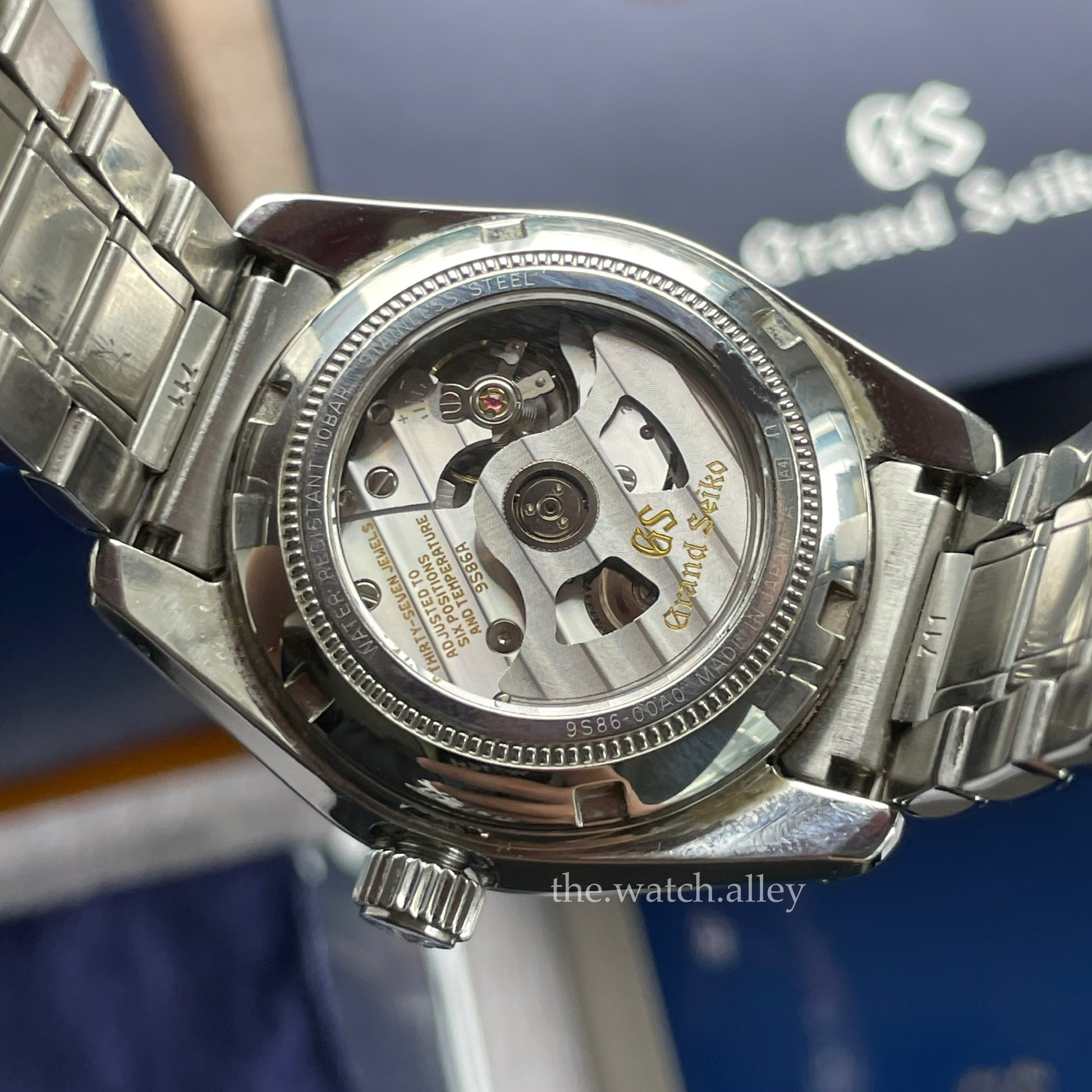
Four Movements, Four Philosophies
Walk into any watch conversation and within ten minutes someone will mention "movement." Here is what the four common types actually mean for you as a buyer.
Automatic (Self-Winding Mechanical)
What it is: A rotor spins with wrist motion, winding a mainspring that powers the watch. No battery. No daily winding. Wear it, and it runs.
The good: The romance of mechanical watchmaking. The sweep seconds hand. The exhibition caseback showing gears and bridges. The connection to a 200-year tradition.
The reality: Full service every 5-8 years at ₱5,000-₱15,000. Accuracy of ±15 to ±5 seconds/day for most affordable movements. Power reserve of 40-70 hours. If you don't wear it for two days, you'll need to reset the time and date.
Best for: Daily wearers who enjoy the mechanical ritual and don't mind periodic servicing. The sweet spot: Seiko 4R/6R, Miyota 9000 series, ETA 2824, Sellita SW200.
Hand-Wind Mechanical
What it is: Same mechanical architecture as an automatic, minus the rotor. You wind it manually from the crown every day or two.
The good: Thinner cases (no rotor). A more deliberate, intimate relationship with the watch. Often found in dress watches and vintage pieces.
The reality: You WILL forget to wind it. Everyone does. Then you'll look at your wrist at 3pm and it will say 7:45. If you can live with that (and you should - it's part of the charm), hand-wind watches reward you with thinness, elegance, and a cleaner dial layout.
Best for: Dress watch wearers. Vintage collectors. People who enjoy morning rituals.
Quartz (Battery)
What it is: A battery sends current through a quartz crystal, which oscillates at 32,768 Hz. A circuit divides that into one pulse per second, driving a stepper motor. Accuracy: ±15 seconds per MONTH for standard quartz.
The good: Cheap. Accurate. Tough. No service for years except battery changes. If accuracy and reliability are your priorities, quartz wins every time.
The reality: The tick (one second jump) versus the sweep of mechanical. Some people care about this distinction deeply; most people walking past you at the mall do not.
Best for: Grab-and-go beaters. Travel watches. Anyone who wants to set a watch once and forget about it for months.
Solar / Tough Solar / Eco-Drive
What it is: Quartz movement with a rechargeable cell powered by light through a translucent dial. Casio Tough Solar, Citizen Eco-Drive, and Seiko Solar all follow the same principle.
The good: Never needs a battery change. 6-12 months of power reserve in darkness. Accuracy of quartz. A G-Shock with Tough Solar and Multi-Band 6 is arguably the most reliable timekeeping device a civilian can own.
The reality: Slightly thicker than standard quartz due to the solar cell layer. Needs occasional light exposure - if you store it in a dark drawer for months, the rechargeable cell will degrade.
Best for: The one-watch person. The traveler. The person who wants a watch that just works, forever, without intervention.
Which one should you buy?
If you want a relationship with your watch: automatic or hand-wind mechanical.
If you want a tool that tells time: quartz or solar.
If you want both: buy two watches.
There is no hierarchy. A ₱5,000 G-Shock is not "worse" than a ₱50,000 Seiko automatic. They solve different problems. The collector who understands this is the collector who stays happy in the hobby.
- - The Watch Alley desk*